The next essential thing you can do is construct and keep a strong relationship with your kid's instructors Alcohol Rehab Facility and with the school. If your kid has been detected with a mental or behavioral health concern, bring it to the school's attention and make certain they are involved in your treatment plan.
If the school refuses to work with you or isn't able to use anything in the method of help, it may be time to look for another school that much better matches your child's requirements. By bringing your pediatrician and your child's instructors together, you can produce a thorough support group for your kid.
Though the road might be hard, your kid depends on you for love and assistance so do whatever you can to provide your kid what they need to succeed and grow.
A U.S. Surgeon General report shows that a person in 5 kids and adolescents will deal with a substantial psychological health condition during their school years. Mental health conditions impacting kids and adolescents can vary from attention deficit hyperactivity condition (ADHD) to autism, depression, eating conditions, schizophrenia, and others. Students struggling with these conditions face considerable barriers to discovering and are less most likely to graduate from high school.
How Do The Foods We Eat Affect Our Mental Health? Things To Know Before You Get This
As leaders work to satisfy these responsibilities, they face an array of obstacles connected to psychological health: Schools have actually historically utilized their resources to use a significant variety of trainee assistance professionals - how does sleep affect mental health?. These school employee have been the core around which comprehensive school-based programs have actually been developed and carried out.
By the 201415 school year, there was one school therapist for each 482 students. The advised ratio from the American School Therapy Association is one school counselor for every 250 trainees. Information from the U.S. Department of Education Workplace for Civil liberty shows that one in five high schools lack a school therapist.
Within a district, numerous schools should share school psychologists, school social workers, school nurses, and other specialized assistance personnel. This increases the caseload of these mental health professionals and limitations access to their services for students in requirement of support and help. While the Individuals with Disabilities Act (IDEA) and the Elementary and Secondary Education Act (ESEA) include programs and initiatives to attend to extensive support services in schools, considering that FY 2009 the financing for these programs, including the Safe and Drug-Free Schools and Communities Act (SDFSCA) State and Regional Grants Program, has actually been severely cut, if not removed.
In FY 2009, the federal programs supporting trainees' mental health and health exceeded $800 million; however, in FY 2017, Congress was investing only $400 million to support Title IV and the SSAE grant program, less than 25% of its authorized level of $1.65 billion under the Every Student Succeeds Act (ESSA).
The Main Principles Of What Domains Does Mental Health Affect
For regrettable historic and cultural reasons, mental disorder has actually constantly been stigmatized in our society. This stigma is manifested by predisposition, mistrust, stereotyping, worry, humiliation, anger, and/or avoidance. Dealing with psychosocial and psychological health concerns in schools is usually not assigned a high concern, except when a high-visibility occasion occurs, such as a shooting on school, a trainee suicide, or an increase in bullying.
According to the Union to Support Grieving Students, death by suicide is the third leading cause of death in kids ages 1014 and the second leading cause of death in kids ages 1519. Close to one in 5 high school students has actually thought about suicide, and 2 to 6 percent of kids attempt suicide.
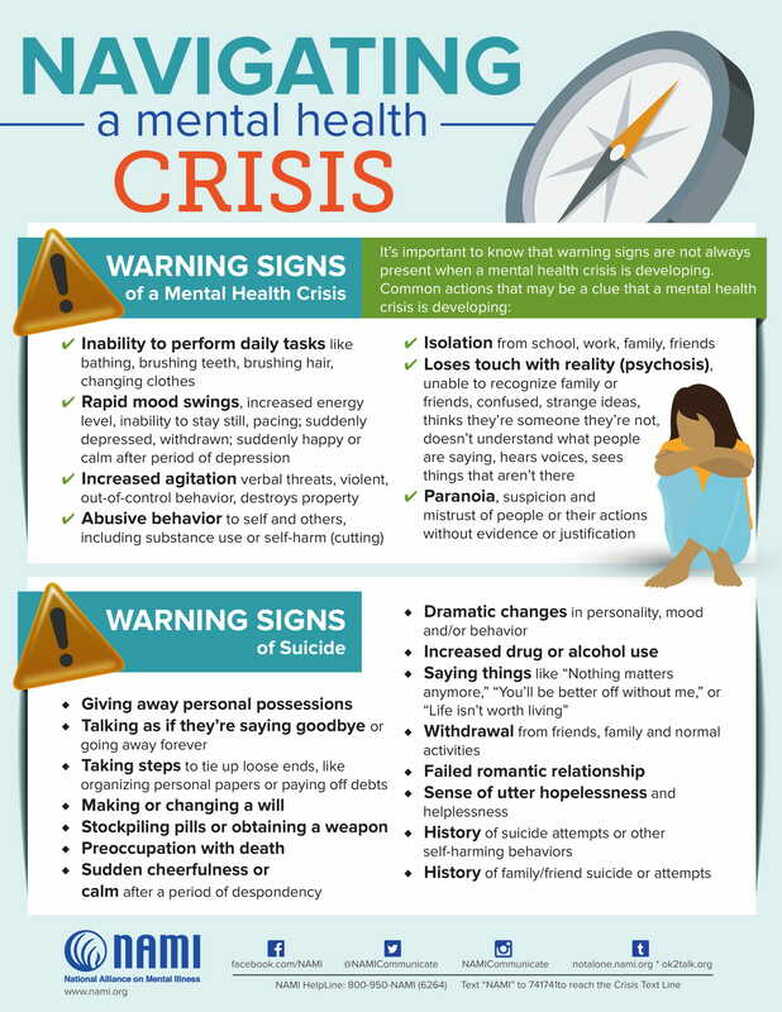
Principals and other school personnel must likewise focus on preventative steps for causes that are connected to suicide, such as bullying. These difficulties underscore the need for thorough psychological health assistance services and prevention programs to construct the capability of schools as they assist each trainee Alcohol Abuse Treatment reach his or her maximum potential.
As a 2017 research evaluation in the Harvard Evaluation of Psychiatry asserted, there is a growing body of proof that supports the effectiveness of psychological health programs in schools and their capability to reach great deals of children. NASSP thinks, and current research study has actually validated, that school leadership affects trainee achievement (second just to instruction, especially for at-risk students) (how does social media affect your mental health).
A Biased View of How Does Mental Health Affect Physical Health
Building Ranks: An Extensive Structure for Effective School Leaders consists of "wellness" as a dimension of building culture, mentioning that school leaders "foster and nurture a deliberate focus on wellness due to the fact that healthy students and adults discover and communicate proficiently." NASSP believes that for schools to promote a safe knowing environment for all trainees, consisting of those students that might be struggling with some kind of psychological health problem, policymakers should offer sufficient levels of access to psychological health and therapy services for all students who attend our public schools, in order to cultivate success in school and to attend to the psychological health needs of students experiencing some kind of diagnosable mental disorder.
NASSP is devoted to supporting principals and other school leaders in their work to avoid teen suicide, while likewise providing principals, school leaders, and schools with resources and assistance for resolving teen suicide in the regrettable event that it takes place within a school neighborhood. NASSP recognizes that, in addition to diagnosed mental disorder, today's middle level and high school students frequently face a myriad of undiagnosed psychological health issues such as tension and anxiety, anxiety, alcohol and drug abuse, consuming conditions, sleep deprivation, disruptive scenarios in the house, and lack of nutrition.
NASSP believes focused efforts at the local, state, and federal levels to secure financing for resources to support and sustain mental health programs will resolve the concern at hand. Federal and state federal governments should supply financial assistance to enable regional neighborhoods to implement a detailed culturally and linguistically proper school-based psychological health program that supports and fosters the health and advancement of http://zandermuph731.wpsuo.com/some-known-facts-about-how-does-mental-disorders-affect-health trainees.
The federal government needs to provide states and regional communities the capability to integrate federal and state funding from separate companies to resolve mental health and school safety issues at the local level. The federal government must completely money the Trainee Assistance and Academic Enrichment Grants under Title IV, Part A of the Elementary and Secondary Education Act to help K12 schools provide trainees access to advanced courses and college and profession therapy.
5 Easy Facts About How Does Stigma Affect Mental Health Explained
Federal and state policymakers should help schools in recruiting and maintaining school therapists, school social employees, school psychologists, and psychological health experts to support school-based interventions and the coordination of psychological health and wellness services. States and regional federal governments should assist in community partnerships among families, trainees, law enforcement companies, education systems, psychological health and drug abuse service systems, family-based psychological health service systems, federal government firms, healthcare service systems, and other community-based systems.
State and regional policymakers ought to provide funding to support the hiring of mental health experts to serve trainees and schools. State and regional policymakers should offer funding to increase professional advancement opportunities for school leaders and other school staff. State and local policymakers must provide funding for extensive school-based university hospital, specifically those that supply psychological health services.